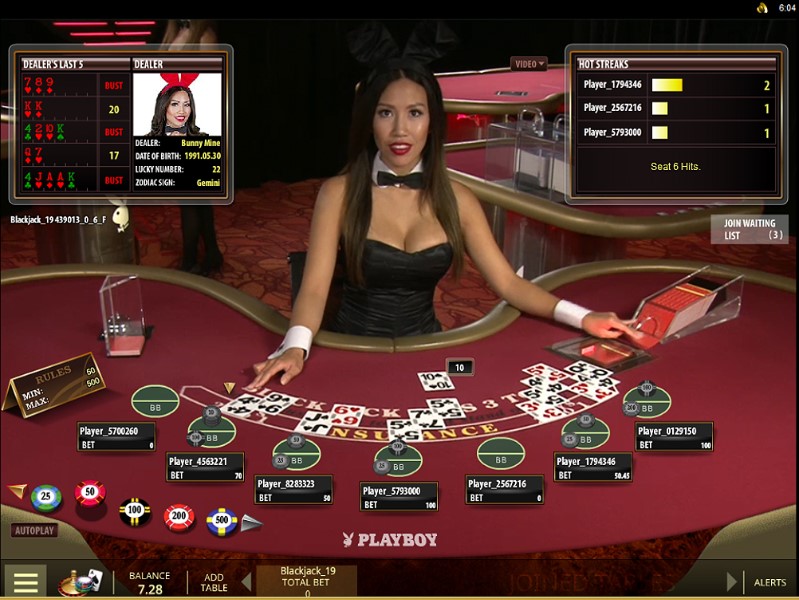
Det är så otroligt mycket enklare att börja spela hos ett casino utan registrering. Det ända som behövs är är ett BankID som du kan få genom din bank. Du kan finna fler förklaringar om hur de fungerar hos http://www.basta-casinoonline.eu eller läsa mer här på sidan.
Du blir faktiskt registrerad
Det är inte sant att det finns casinon som låter dig spela utan registrering. Det är inte tillåtet enligt den svenska spellagen. Däremot så känns det som om du inte har registrerat dig och skapat ett spelkonto hos casinot för att det är så enkelt.
Naturligtvis har casinot registrerat dig som medlem, hur ska de annars kunna hålla reda på vem som har satt in pengar och vem de ska ge vinsterna. Skillnaden mot tidigare är att du inte behöver skicka in passkopior och liknande, allt casinot behöver får de genom ditt BankID.
Inget omsättningskrav på bonusen
Fån och med den 1 januari 2019 infördes en ny spellagstiftning i Sverige. I lagen sägs det att casinon online som vill verka på den svenska spelmarknaden måste ha en svensk spellicens. Har casinot svensk licens så är möjligheterna att ge sina spelare olika förmåner starkt begränsade.
En förmån som tidigare var mycket populär var välkomstbonusen som skulle locka spelare till casinot. Nu är bonusarna begränsade till endast en och till ett värde på högst 100 kronor. De stora bonusarna som gavs innefattade ofta höga omsättningskrav. Idag har många casinon slopat omsättningskravet då det innebar krångel.
Minskat krångel för spelare och casinot
Flera casinon använder uttrycket "mindre krångel" i sin marknadsföring och med det syftar man just på enklare registrering med BankID och och avsaknaden av omsättningskrav på startbonusen. Omsättningskravet var ofta 35 gånger eller mer och det är inte så lätt att hålla reda på.
- Mindre krångel vid registrering
- Mindre krångel utan omsättningskrav
För casinot är det bara fördelar att slippa de den krångliga registreringsprocessen med allt vad arkivering av inskickade kopior innebar. Vid elektronisk registrering kan allt hållas digitalt. Omsättningskraven kunde ofta leda till missförstånd om vad som gällde och gav ofta kundtjänsten en hel del att göra.
Den enklare registreringen bara i Sverige
Det är nästan utan undantag så att det endast är casinon med svensk spellicens som låter dig registrera dig på det enkla sättet med BankID. Den typen av elektronisk verifiering är svensk och gäller vanligtvis inte utomlands. BankID tillsammans med betalmetoden Trustly ger det absolut enklaste sättet att betala.
Trustly kopplas till ditt bankkonto. Då du registrerar dig med BankID samt överför pengar till casinot med Trustly stannar dina personliga uppgifter som casinot inte behöver hos Trustly. Det ger en ökad personlig integritet för dig samtidigt som det är det säkraste sättet att överföra pengar.
Trustly fungerar åt båda hållen
En stor fördel med Trustly är att det fungerar åt båda hållen. Trustly fungerar som en del av ditt bankkonto vilket har gjort det möjligt att göra överföringar mycket snabba. Insättningar går på någon minut och uttag går oftast på kortare tid än 15 minuter.
Det kan man jämföra med att använda bankkort för överföring. Det kan ta upp till två bankdagar innan du har dina vinster på ditt konto. Det är alltså snabbt och säkert att spela hos ett casino utan krångel med registrering och omsättningskrav på bonusar.